Understanding the Critical Nature of Orthodontic Timing
The decision to remove orthodontic appliances represents one of the most significant moments in any patient’s journey towards a healthier smile. Whilst many people focus primarily on the duration of wearing braces, the precise timing of their removal holds far greater implications for maintaining results well into the future. This critical juncture determines whether years of careful adjustment will translate into lasting benefits or gradually diminish over time.
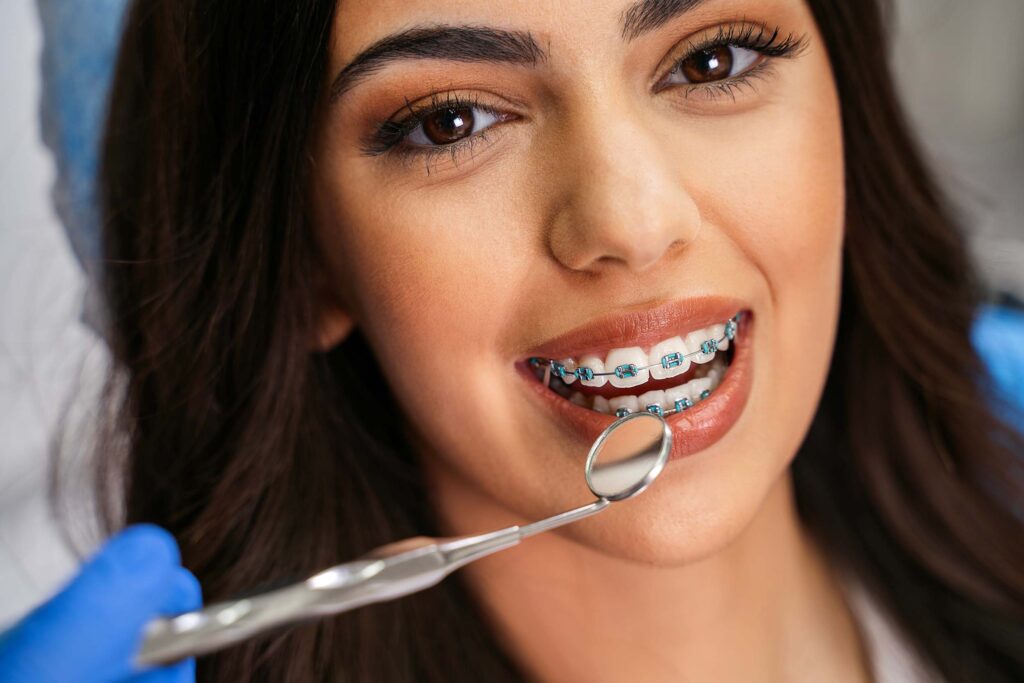
Orthodontic treatment involves a complex interplay of biological processes, mechanical forces, and tissue adaptation. When practitioners consider removing braces Balwyn patients have worn throughout their treatment, they must evaluate numerous factors beyond mere aesthetic appearance. The underlying bone structure, periodontal health, and root positioning all require adequate time to stabilise before appliances can be safely removed without compromising outcomes.
The Science Behind Orthodontic Stability
Bone Remodelling and Tissue Adaptation
Following tooth movement, the surrounding bone undergoes a remarkable remodelling process that continues long after teeth appear to have reached their intended positions. This biological phenomenon involves the coordinated activity of osteoblasts and osteoclasts, which work to rebuild bone density around newly positioned teeth. Premature removal of orthodontic appliances can interrupt this essential process, leaving teeth vulnerable to unwanted movement.
Periodontal Ligament Reorganisation
The periodontal ligament, which connects teeth to the surrounding bone, requires substantial time to reorganise following orthodontic movement. Clinical guidelines for orthodontic retention emphasise the importance of allowing these fibres to adapt fully before removing appliances. This adaptation period varies considerably between individuals, depending on factors such as age, bone density, and the extent of tooth movement achieved during treatment.
Factors Influencing Optimal Removal Timing
Individual Patient Characteristics
Every patient presents unique anatomical and physiological characteristics that influence the appropriate timing for appliance removal. Younger patients typically experience faster bone remodelling due to higher metabolic activity, whilst adults may require extended periods to achieve comparable stability. Additionally, the severity of the initial malocclusion plays a crucial role in determining how long teeth need mechanical support before they can maintain their positions independently.
Treatment Complexity and Tooth Movement Patterns
Cases involving significant rotations, extractions, or vertical movements typically require longer stabilisation periods than those addressing minor crowding or spacing issues. Rotated teeth demonstrate a particularly strong tendency to relapse, as the surrounding gingival and periodontal fibres retain memory of their original positions for extended periods. Similarly, teeth that have been moved considerable distances require more time for the supporting structures to adapt fully to their new locations.
Consequences of Premature Appliance Removal
Removing orthodontic appliances before adequate stabilisation occurs can lead to disappointing outcomes that undermine months or years of careful treatment. Teeth may gradually drift back towards their original positions, a phenomenon known as relapse, which affects a substantial proportion of patients who experience premature removal. Research on orthodontic relapse patterns demonstrates that the first several months following appliance removal represent the highest risk period for unwanted tooth movement.
Beyond aesthetic concerns, premature removal can create functional problems including bite misalignment, increased wear on certain teeth, and potential jaw discomfort. These complications often necessitate additional intervention, extending the overall treatment timeline and potentially requiring patients to undergo further orthodontic procedures they had hoped to avoid.
The Role of Retention in Maintaining Results
Even when braces are removed at the optimal moment, retention remains absolutely essential for preserving treatment outcomes. Orthodontic retention protocols provide detailed frameworks for maintaining tooth positions following active treatment. Retainers serve as a safeguard during the vulnerable period when bone and soft tissues continue adapting to the new dental arrangement, preventing unwanted movements whilst biological processes complete their course.
Achieving Lasting Dental Harmony
The journey towards a stable, healthy smile extends well beyond the day orthodontic appliances are removed. Success depends upon careful assessment of multiple biological and mechanical factors, patient-specific considerations, and appropriate retention strategies. By understanding the importance of timing in orthodontic treatment, patients can better appreciate why practitioners take such care in determining the optimal moment for appliance removal, ensuring that the investment in treatment yields benefits that endure throughout life.
Any surgical or invasive procedure carries risks. Before proceeding you should seek a second opinion from an appropriately qualified health practitioner.